
Deck Builder in Leander, TX: Custom Decks Built for Hill Country Heat & Slopes
Most Leander backyards come with a builder-grade concrete slab, maybe 10x12, that bakes in the afternoon sun and doesn't fit more than a grill and two chairs. Add a sloped lot west of US-183, limestone a foot below the grass, an HOA architectural committee, and 100°F July afternoons, and you can see why so many outdoor projects stall before they start. Leander Deck Builder Pros designs and builds decks that work with all of it. We plan footings around your soil, pick materials that hold up to Central Texas UV, and add shade so you'll actually use the space.
We've been building decks across western Williamson County since 2020. That covers new-build lots in Crystal Falls, Travisso and Bryson, and aging 1980s decks in Cedar Park and Brushy Creek that need a real rebuild. We know which neighborhoods sit on rock, which ones sit on shifting clay, and what each HOA usually wants to see in a submittal. Our crews also work in Liberty Hill, Jonestown and Volente, where acreage lots and steep lake-view slopes call for engineered framing.
- ✓Building decks in the Leander area since 2020
- ✓Bonded for your protection
- ✓Fully insured crews
- ✓Financing available on qualifying projects
- ✓On-site visit before any pricing
- ✓HOA architectural review submittal help
- ✓Serving homes within a 20-mile radius of Leander
Request Your Free Estimate
No obligation. Fast, honest quotes.
Thank you — your request was sent!
A member of the Leander Deck Builder Pros team will reach out shortly. Need help now? Call (512) 883-2983.
Why Leander Homes Need a Deck Builder Who Knows Central Texas
A deck that would last 25 years in Ohio can fail in under ten here. Leander sits right where the Hill Country meets the Blackland Prairie, so heat, UV, flash floods, rock and clay all show up within a few miles of each other. Here's what that means for your project.
Heat, UV, Flash Floods and the Occasional Hard Freeze
July and August highs in Leander average in the mid-to-upper 90s, and most summers bring strings of 100°F+ days. Dark composite boards in full sun can get too hot for bare feet, and that's why board color, capped composite lines and shade structures matter so much here. UV is intense for most of the year. Unsealed pressure-treated pine grays and checks within a few seasons, and cheap stains fade in one summer. Rainfall averages about 33–36 inches a year but often lands all at once. This is Flash Flood Alley, so footing drainage and ground clearance aren't optional. Then there are freezes like Winter Storm Uri in February 2021 and the 2023 ice storms, which put ice loads on railings and stairs. Spring hail across Williamson and Travis counties can also dent metal patio-cover roofing and crack some PVC and vinyl parts.
Rock on the West Side, Clay on the East Side
Soil decides how your deck is supported. West Leander, Jonestown, Lago Vista, Volente and the Lake Travis shoreline sit on shallow soil over limestone bedrock. Post holes there often need rock augers, core drilling or surface-mounted footings. Head east toward Round Rock, Pflugerville and parts of Georgetown and you're on expansive Blackland Prairie clay, which swells when wet and shrinks during drought. Shallow footings in that clay heave and settle. The framing racks and the deck pulls away from the house at the ledger. Subterranean termites, including Formosan colonies, carpenter ants, fire ants and scorpions add one more reason to get ground prep and clearance right.
New Production Homes, Stone Veneer and Aging 1980s Decks
Leander grew from about 26,000 residents in 2010 to roughly 59,000 by the 2020 Census. Most homes are production builds from Lennar, Pulte, Taylor Morrison, Perry, Highland, Drees and David Weekley. Many have brick or Austin limestone veneer, so we can't just bolt a ledger to the rim joist. Stand-off connections or freestanding frames are often the safer choice. Lots are tight, rear easements limit where a deck can go, and the land west of 183 slopes enough that a second-story or multi-level deck is the only way to get usable yard. Meanwhile, Cedar Park, Wells Branch, Jollyville and Brushy Creek have 20–40-year-old pine decks with rotted joists, corroded fasteners and railings built before current code.
Permits, HOAs and Watershed Rules
Leander, Cedar Park, Round Rock, Georgetown, Pflugerville, Lakeway, Lago Vista and Jonestown all require permits for most attached decks, decks more than 30 inches above grade, and covered structures. They enforce the IRC with local amendments: 36-inch minimum guards, 4-inch maximum baluster openings, flashed ledgers with lateral-load connections, and footing, framing and final inspections. Near Lake Travis, impervious-cover limits are strict, and LCRA shoreline rules can apply. Parts of Williamson County fall in Edwards Aquifer zones. Neighborhoods like Crystal Falls, Travisso, Mason Hills and Bryson also need ARC approval before anything gets built.
Common Deck Problems We See Around Leander
Most of the deck trouble we're called out for traces back to local conditions: soil movement, sun, water and decks that were built fast during the growth boom. Here are the issues we see most often, how to spot them, and how serious each one is.
Ledger Failure and Deck Separation from the House Emergency
The ledger is the board that attaches a deck to your home. If it isn't flashed, isn't fastened with proper lateral-load hardware, or is attached through stone veneer, water and movement can loosen it. The deck can then pull away or, at worst, collapse.
Why it's common hereMany Leander-area decks were bolted straight through brick or limestone veneer, which was never meant to carry a deck. On the east side, expansive clay lifts and drops the outer footings while the house foundation stays put, and that racks the connection over time. Missing flashing is another big one. Fast-growth contractors often skipped it, so every heavy Central Texas downpour soaks the rim joist. After a few years of wet-dry cycles, the wood rots around the bolts and holding strength drops off fast.
Signs you'll notice- Visible gap between the deck and the house wall
- Deck bounces or sways when people walk across it
- Rust streaks below ledger bolts
- Soft or dark wood along the house-side joist
- Doors to the deck sticking or rubbing
- No metal flashing visible above the ledger
We see this most on 2000s-era attached decks in Round Rock, Teravista and Brushy Creek, where clay movement is strong. We also see it on veneer homes across Leander where the ledger was lagged into stone. It tends to show up after a wet spring that follows a long drought.
Our fix: Stop using the deck. We shore it up temporarily, then install a properly flashed ledger with lateral-load connectors, a stand-off system, or a freestanding beam line that takes the load off the house entirely.
Footing Heave, Settlement and Undersized Piers Serious
Footings are the concrete piers that carry your deck's weight to the ground. When they're too shallow, too small or poorly drained, they move. Posts tilt, beams sag, and the surface goes out of level.
Why it's common hereLeander's ground changes quickly. Builders working on the east side's Blackland Prairie clay often pour shallow piers that ride up and down with the moisture swings. On the west side, crews without rock-drilling equipment sometimes just set posts on top of the limestone or in shallow, half-dug holes. Flash-flood runoff then washes out the soil around them. Either way, the structure loses solid support. The problem usually shows up first as doors and gates that won't line up or a deck that tips toward the yard.
Signs you'll notice- Posts leaning noticeably out of plumb
- Deck surface sloping or dipping in spots
- Cracked or tilted concrete piers
- Soil washed away from post bases
- Gaps opening at stair stringers
- Railings that wobble at the posts
Clay-related heave is most common in Pflugerville, east Round Rock and Georgetown's Teravista area. Shallow or skipped footings on rock come up in Jonestown, Lago Vista, Volente and the hilly sections of Travisso and Crystal Falls.
Our fix: We dig or core new piers sized and sunk for your soil. That means deeper belled piers in clay and rock-drilled or surface-mounted footings on limestone. Then we re-level and re-support the framing.
Rot and Termite Damage in Joists and Posts Serious
Wood rot is fungal decay that softens lumber from the inside. Termites, including Formosan subterranean termites in this region, tunnel through wood that's in contact with soil. Both weaken the structural framing long before the deck surface looks bad.
Why it's common hereLeander's long humid stretches after storms, combined with low decks that have no airflow underneath, create perfect conditions for fungal decay. Older pine decks from the 1980s and '90s often used lumber rated for above-ground use where ground-contact lumber was needed. Untreated cut ends and posts buried directly in dirt also invite termites and carpenter ants. Since the framing is out of sight, homeowners usually don't find the damage until a board cracks or a screwdriver sinks right into a joist.
Signs you'll notice- Soft, spongy boards or joists
- Mud tubes on posts, piers or foundation
- Wood that crumbles or flakes when probed
- Mushroom-like growth under the deck
- Sawdust-like frass near posts
- Boards sagging between joists
This is the top issue on aging decks in Wells Branch, Jollyville, Cypress Creek and older Cedar Park and Round Rock neighborhoods. It also hits low decks built over builder patio slabs where water pools against the framing.
Our fix: We probe and map all damage, then replace affected joists, beams or posts with ground-contact lumber. If rot is widespread, we'll recommend a full rebuild on new framing.
Unsafe or Out-of-Code Railings and Stairs Serious
Guards and stair rails keep people from falling. Current IRC rules call for 36-inch minimum guard height on residential decks, balusters no more than 4 inches apart, uniform stair rise and run, and graspable handrails. Many older decks miss one or more of these.
Why it's common hereLots of decks around Cedar Park, Round Rock and Brushy Creek went up before today's code was adopted. Others were built without permits during the boom. Freeze events like Uri also put ice loads on railings, and expansive soil movement loosens post connections. In a market full of young families, wide baluster gaps and wobbly stair rails are a real hazard, and they'll get flagged during a home sale inspection.
Signs you'll notice- Railings shorter than about hip height
- Gaps a small child could fit through
- Posts that move when you push them
- Uneven stair step heights
- No handrail, or a flat board you can't grip
- Loose or missing balusters
Common on 20–40-year-old decks in Wells Branch, Jollyville and Ranch at Brushy Creek, and on unpermitted DIY add-ons in newer subdivisions. Lake-area homes with tall decks need especially careful guard work.
Our fix: We rebuild guards with properly blocked posts and install code-compliant balusters, cable, aluminum or composite rail systems. We also rebuild stairs with even risers and graspable handrails.
UV Fading, Graying and Surface Checking Minor
Sunlight breaks down lignin in wood surfaces, which turns them gray and causes fine cracks called checking. Stains fade, and some low-end composites chalk or discolor. It's mostly cosmetic at first, but it opens the wood to moisture.
Why it's common hereLeander gets strong UV almost all year, and long summers stack up the exposure fast. Pressure-treated pine that isn't resealed usually grays and checks within a couple of seasons. Big-box stains often last only one summer on south- and west-facing decks. Early uncapped composite boards can fade unevenly, too. Once checks open up, the next downpour soaks into them, and that speeds up rot and splintering.
Signs you'll notice- Silvery-gray wood color
- Fine cracks along the board grain
- Splinters on bare feet
- Stain worn off in traffic paths
- Water soaking in instead of beading
- Blotchy, uneven composite color
West-facing decks on newer lots in Bryson, Northline and Palmera Ridge, with little tree cover, show sun damage fastest. Sun City Texas and Santa Rita Ranch homes see it on uncovered pressure-treated decks.
Our fix: We clean, brighten, sand where needed, and apply a penetrating UV-resistant stain or sealer. We'll also talk through shade options so the finish lasts longer.
Overheated Decking and No Usable Shade Moderate
This is a design problem more than damage. Dark composite or uncovered decks in full sun can get uncomfortably hot, and a deck nobody can stand on between noon and 7 p.m. isn't doing its job.
Why it's common hereBuilders in fast-growing Leander subdivisions cleared most of the mature trees, so backyards face full sun. Many homeowners, especially transplants, picked dark gray composite because it looked great in a showroom. With summer highs in the upper 90s and plenty of 100°F days, that surface heats up fast. Without a pergola or patio cover, the space sits empty most of the summer.
Signs you'll notice- Deck too hot to walk on barefoot
- Family only uses it after sundown
- Furniture fading or cracking quickly
- Pets avoid the deck surface
- Rooms next to the deck run hot
Common in new phases of Travisso, Mason Hills, Northline and Santa Rita Ranch, where lots face west and trees haven't grown back yet.
Our fix: We add pergolas, solid patio covers or louvered structures. When resurfacing, we switch to lighter, heat-mitigating capped composite boards.
Storm Damage from Hail, Freeze or Flash Flooding Emergency
Sudden weather events can crack PVC components, dent metal cover roofing, shred pergola shade fabric, lift boards, or wash out the soil around footings. Some damage is obvious. Some hides in the framing.
Why it's common hereWilliamson and Travis counties regularly get spring hail. Hard freezes like Uri in 2021 and the 2023 ice storms brought ice loading and tree limbs down onto decks. Flash Flood Alley downpours can scour footings in a single afternoon, especially on sloped lots where runoff funnels under the deck. Many of these repairs end up involving homeowner's insurance.
Signs you'll notice- Dented metal roofing on a deck cover
- Cracked PVC trim or railing caps
- Washed-out soil around posts
- Boards lifted or cupped after flooding
- Branch impact damage to railings
- Torn pergola shade panels
Hail damage clusters along the US-183 corridor and in Cedar Park and Round Rock. Runoff and washout damage is most common on sloped lots near Lake Travis, in Jonestown, and in Block House Creek.
Our fix: We secure hazards quickly and document the damage with photos for your insurance claim. Then we repair or replace the affected framing, decking, railings and covers.
Deck Building & Outdoor Living Services in Leander
Every project starts with your lot: soil, slope, sun angle, easements and HOA rules. From there, we match the material and structure to how you'll actually use the space. Below is everything we build, repair and maintain for homeowners around Leander, Cedar Park and the Lake Travis area.
Custom Deck Design & Installation ⭐ Specialty
We design and build decks from scratch around your house, your yard and how your family entertains. That covers layout, framing, footings, decking, rails and stairs.
Our approachSite measurements, soil and slope assessment, scaled drawings, and footing plans matched to rock or clay. We also prepare permit and HOA-ready documents.
In Leander, TXIdeal for expanding small builder slabs in Bryson or Palmera Ridge, or turning a sloped Crystal Falls backyard into a level space you can use.
Best for: Homeowners who want a deck that fits their lot and lifestyle, not a one-size kit.
Composite Deck Installation ⭐ Specialty
We install capped composite decking from lines like Trex, TimberTech/AZEK and Fiberon, with hidden fasteners and proper joist spacing.
Our approachWe frame at manufacturer-required spacing, gap boards for thermal movement, and install hidden clips. We'll steer you toward lighter, heat-mitigating colors for full-sun decks.
In Leander, TXComposite resists the UV graying and checking that wears down wood in Leander summers. It's popular with transplants who want low maintenance.
Best for: Busy families who want a deck that won't need sanding or staining every couple of years.
Wood Deck Construction
We build natural wood decks in pressure-treated pine, cedar, redwood or tropical hardwood, framed and finished for Central Texas weather.
Our approachGround-contact lumber where it's needed, sealed cut ends, corrosion-resistant fasteners, and a protective finish applied after the wood has had time to dry.
In Leander, TXWood suits Hill Country stone homes and ranch properties in Liberty Hill and Bertram, where a natural look matters.
Best for: Homeowners who love real wood and don't mind periodic sealing.
Deck Repair & Restoration
We fix rotted boards, loose railings, failing stairs and weakened framing, then restore the surface so it looks and performs like new.
Our approachFull structural probe, replacement of damaged members, fastener upgrades, and cleaning and refinishing.
In Leander, TXA smart option for 15–25-year-old decks in Cedar Park and Brushy Creek where the framing is mostly sound.
Best for: Decks with localized damage that don't need a full tear-out.
Deck Railing Installation
We install new or replacement railings in wood, composite, aluminum or cable, built to current guard height and spacing rules.
Our approachBlocked, through-bolted posts and 36-inch minimum guards, with balusters spaced under 4 inches.
In Leander, TXBrings older Wells Branch and Jollyville decks up to code before a sale or a family visit.
Best for: Unsafe, wobbly or outdated railings.
IPE Wood Deck Installation
We build ipe hardwood decks, a dense Brazilian species known for long life and natural insect resistance.
Our approachPre-drilled, hidden-clip fastening, sealed end grain, and tighter joist spacing to support the heavy boards.
In Leander, TXA premium choice for lakefront homes in Rough Hollow and Hudson Bend that want a rich look with strong durability.
Best for: High-end projects where appearance and longevity outweigh upfront cost.
Cedar Deck Building
We build cedar decks with warm color, a pleasant aroma, and natural resistance to decay.
Our approachStainless or coated fasteners, cedar decking over treated framing, and a UV-blocking penetrating stain.
In Leander, TXCedar fits the Hill Country aesthetic in Leander and Liberty Hill. It does need regular sealing in our sun.
Best for: Mid-budget wood decks with a natural, upscale look.
Pressure Treated Deck Construction
We build budget-friendly decks with pressure-treated southern yellow pine, framed to last.
Our approachGround-contact rated posts and joists, joist tape, sealed cuts, and a stain-sealer once the lumber dries.
In Leander, TXA practical way to extend a builder slab in newer Leander subdivisions without blowing the budget.
Best for: Cost-conscious homeowners willing to reseal every 2–3 years.
PVC Deck Installation
We install all-PVC decking, which contains no wood fibers and offers top-tier moisture and mold resistance.
Our approachHidden fasteners, careful thermal gapping, and lighter colors that run cooler in full sun.
In Leander, TXWorks well around pools and in shady, damp spots near creeks in Block House Creek and Brushy Creek.
Best for: Wet areas and owners who want minimal upkeep.
Redwood Deck Building
We build redwood decks with rich reddish tones and natural decay resistance.
Our approachHeartwood-grade boards over treated framing, coated fasteners, and UV-protective finish.
In Leander, TXA distinctive option for custom homes on acreage in Weir or Bertram.
Best for: Homeowners after a classic, high-character wood deck.
Pool Deck Construction ⭐ Specialty
We build decks around in-ground pools with slip-resistant, cooler-running surfaces and proper drainage.
Our approachHeat-mitigating composite or PVC, coordination with pool equipment access, and code-compliant barriers.
In Leander, TXPool backyards are everywhere in Leander, Cedar Park and Santa Rita Ranch. Pool decks here have to stay comfortable underfoot in July.
Best for: Families adding or upgrading a pool area.
Rooftop Deck Installation
We build rooftop decks over flat or low-slope roofs to capture views and add living space.
Our approachStructural evaluation, sleeper systems that protect the roof membrane, and engineered guards.
In Leander, TXPopular for Lake Travis view lots in Lakeway and Lago Vista.
Best for: Homes with limited yard space but great views.
Multi-Level Deck Design ⭐ Specialty
We design tiered decks that step down sloped yards and create separate zones for dining, lounging and grilling.
Our approachEngineered beam and footing layouts, landings, and stairs built to IRC rise-and-run rules.
In Leander, TXEssential on sloped lots west of US-183 and toward Lake Travis, where a single platform would be too tall.
Best for: Sloped or walk-out lots and big entertainers.
Floating Deck Installation
We build freestanding, low-profile decks that sit close to grade without attaching to the house.
Our approachConcrete blocks or shallow piers, weed barrier, and ground prep to discourage fire ants and scorpions.
In Leander, TXGreat for flat new-build lots where veneer makes ledger attachment tricky.
Best for: Simple, affordable outdoor floors close to the ground.
Hot Tub Deck Building
We build decks engineered to carry the concentrated weight of a filled hot tub, or to frame in a recessed spa.
Our approachLoad calculations, reinforced joists and beams, and dedicated footings or a slab-supported cutout.
In Leander, TXPopular for mild Leander winters and clear Hill Country nights.
Best for: Anyone adding a spa to an existing or new deck.
Above Ground Pool Deck Installation
We build partial or wraparound decks around above-ground pools for easy, safe entry.
Our approachFreestanding frames, gated stairs, and code-compliant guards.
In Leander, TXA cost-effective pool upgrade for families on tighter lots in newer subdivisions.
Best for: Above-ground pool owners who want a finished look.
Cable Railing Installation
We install stainless-steel cable railing that keeps your view open while meeting guard requirements.
Our approachRigid end posts, intermediate supports, and properly tensioned cable.
In Leander, TXA favorite for Lake Travis views in Volente, Hudson Bend and Rough Hollow.
Best for: View lots and modern designs.
Composite Deck Railing Systems
We install matching composite rail systems that pair with composite decking.
Our approachManufacturer post sleeves over structural posts, with code-compliant baluster spacing.
In Leander, TXMeets common HOA material and color requirements in Travisso and Mason Hills.
Best for: Low-maintenance, coordinated deck designs.
Aluminum Railing Installation
We install powder-coated aluminum railings that won't rot, rust or need paint.
Our approachSurface-mounted posts with structural blocking, and balusters or glass infill.
In Leander, TXStands up to UV and freeze cycles on tall decks across the area.
Best for: Clean lines with almost no maintenance.
Deck Stairs & Landing Construction
We build and rebuild deck stairs and landings with even steps and solid footings.
Our approachConsistent rise and run, graspable handrails, and stringers set on concrete pads.
In Leander, TXSloped Leander lots often need multiple landings to reach the yard safely.
Best for: Elevated decks and failing old stairs.
Pergola & Deck Cover Installation ⭐ Specialty
We build pergolas and solid deck covers that put shade where you need it most.
Our approachEngineered posts and footings, cedar or aluminum construction, and optional roofing tied into the home.
In Leander, TXIn Leander's summers, shade often decides whether a deck gets used. Many of our builds pair a deck with a cover.
Best for: Sun-exposed decks and west-facing yards.
Deck Skirting Installation
We enclose the space under a deck with matching skirting, lattice or slat panels.
Our approachVented designs for airflow, plus access panels for maintenance.
In Leander, TXHelps keep out critters common to Leander, like scorpions and armadillos, while hiding framing.
Best for: Low to mid-height decks needing a finished look.
Deck Cleaning & Washing
We deep-clean wood and composite decks to remove grime, mildew and pollen.
Our approachLow-pressure washing and appropriate cleaners and brighteners that don't damage the surface.
In Leander, TXClears off the heavy oak and cedar pollen of a Central Texas spring.
Best for: Annual maintenance and pre-stain prep.
Deck Staining & Sealing
We apply penetrating stains and sealers that protect wood from UV and moisture.
Our approachCleaning, brightening, sanding, then UV-resistant penetrating finishes applied in suitable weather.
In Leander, TXLeander's UV fades cheap stains fast, so product choice and prep make a big difference.
Best for: Wood decks showing graying or water absorption.
Deck Painting Services
We paint railings, skirting and trim, or entire decks where a solid color suits the home.
Our approachSurface prep, primer, and exterior coatings rated for decks.
In Leander, TXA good way to match older decks to updated home colors in Cedar Park and Round Rock.
Best for: Weathered decks needing a fresh, uniform look.
Deck Resurfacing & Refinishing
We replace worn decking boards on sound framing, often switching from wood to composite.
Our approachFraming inspection, joist reinforcement and tape, then new boards and fasteners.
In Leander, TXCommon for 2000s-era Leander decks where the framing is fine but the boards are tired.
Best for: Saving money versus a full rebuild.
Deck Waterproofing Services
We waterproof decks and the areas beneath them so you get dry space below.
Our approachUnder-deck drainage systems, membranes and flashing details.
In Leander, TXTurns the space under second-story decks on sloped lots into usable, dry patio space.
Best for: Elevated decks with patios or storage below.
Covered Patio & Deck Enclosures
We build covered patios and screened or partially enclosed deck spaces.
Our approachRoof structures tied into the house, ceiling fan wiring coordination, and screen systems.
In Leander, TXScreening keeps out mosquitoes and lets families use the space all year.
Best for: Outdoor living rooms and outdoor kitchens.
Ground Level Deck Installation
We build low decks just above grade, often replacing or covering builder slabs.
Our approachGround-contact framing, weed barrier, drainage grading, and pest-conscious clearance.
In Leander, TXIdeal for flat lots in Northline and Bryson.
Best for: Simple, affordable yard upgrades.
Deck Privacy Solutions
We add privacy walls, slatted screens and planter partitions to decks.
Our approachStructurally anchored posts and wind-load-conscious designs.
In Leander, TXTight lots in newer subdivisions put neighbors close. Screens make decks feel private.
Best for: Close neighbors and two-story sightlines.
Balcony Deck Renovation
We renovate second-story balconies with new framing, surfaces and railings.
Our approachStructural assessment, flashing upgrades, and code-compliant guards.
In Leander, TXCommon in older Round Rock and Wells Branch homes and lake-view properties.
Best for: Aging or leaking balconies.
Cantilever Deck Construction
We build decks that extend past their support beams for a clean, floating look.
Our approachEngineered spans and cantilever ratios within code and manufacturer limits.
In Leander, TXUseful on steep Lake Travis slopes where posts are hard to place.
Best for: Dramatic view decks and tricky terrain.
Composite Fence Installation
We install composite fencing that won't rot, warp or need staining.
Our approachPosts set in concrete or core-drilled into rock, with steel-reinforced rails.
In Leander, TXMatches composite decks and meets many Leander HOA guidelines.
Best for: Long-term privacy with no painting.
Outdoor Stair Railing Installation
We install graspable, code-compliant handrails on exterior stairs.
Our approachSecure post anchoring and rails sized for proper grip.
In Leander, TXImportant for multi-level and sloped-lot stairs around Leander.
Best for: Stairs with missing or unsafe handrails.
Deck Framing & Structural Repair
We repair or replace joists, beams, posts, ledgers and footings.
Our approachTemporary shoring, sistering or replacement, new hardware, and footing corrections for clay or rock.
In Leander, TXAddresses clay heave on the east side and rot on aging decks across the area.
Best for: Sagging, bouncing or shifting decks.
How Your Leander Deck Project Works
Clear steps, clear pricing, no surprises. Here's what to expect from first call to final walkthrough, including the permit and HOA steps that usually trip up local projects.
On-Site Visit & Lot Assessment
- We walk your yard and measure the space
- We check slope, drainage, soil type and sun exposure
- We look for easements, utilities and setback limits
- We talk through how you want to use the deck
Local note: We'll note whether your lot is likely on limestone (rock drilling) or expansive clay (deeper piers), since that affects cost.
Design & Clear Pricing
- Layout drawing with dimensions and levels
- Material options compared side by side
- Itemized written pricing
- Financing options explained if you want them
Local note: We'll show heat and fade differences between composite colors for your yard's sun angle.
HOA Approval & Permits
- We prepare your ARC submittal package
- We submit permit drawings to your city
- We answer reviewer questions
- We schedule your start date once approved
Local note: Crystal Falls, Travisso, Mason Hills and Bryson HOAs each have their own review rules. Lake-area lots may also face impervious-cover limits.
Construction & Inspections
- Footings dug, drilled or cored and inspected
- Framing, ledger and flashing installed and inspected
- Decking, railings, stairs and covers installed
- Daily cleanup of the work area
Local note: We plan pours and finish work around summer heat and spring storm forecasts.
Final Walkthrough & Care Guidance
- Final city inspection where required
- Walkthrough with you to check every detail
- Care and maintenance guidance for your material
- Manufacturer product warranty paperwork handed over
Local note: We'll explain resealing intervals for wood under Leander's UV and how to keep fire ants out from under low decks.
Why Leander Homeowners Choose Leander Deck Builder Pros
We Design for Leander's Ground, Not a Generic Lot
Two houses a mile apart in Leander can sit on completely different soil. On the west side, we often drill into limestone or use surface-mounted footings. On the east side, we size deeper piers to resist clay heave. On veneer homes, we use stand-off or freestanding framing so the deck doesn't lean on stone that was never built to carry it. That site-by-site approach is what keeps decks level and attached for decades. It's also why every project starts with an in-person visit, not a guess over the phone.
Bonded and Insured, Built by the Book
Leander's growth brought plenty of transient contractors, and a lot of homeowners have already dealt with an unpermitted or under-built deck. We're bonded and insured, and we build to the IRC as adopted by your city: flashed ledgers, lateral-load connections, proper footings, 36-inch guards and 4-inch baluster spacing. When a permit's required, we pull it and schedule inspections. You get a deck that passes inspection now and holds up when you sell.
We Handle the HOA Paperwork
ARC approvals and city permits are where many deck projects stall. We put together your HOA submittal with drawings, material specs and colors, then manage the permit application and reviewer questions. We know what neighborhoods like Crystal Falls, Travisso, Mason Hills and Bryson typically ask about, including height, visibility and materials. You don't have to chase paperwork or guess what the committee wants.
Shade and Heat Planning Built In
A beautiful deck you can't stand on at 4 p.m. in August isn't much of an upgrade. We plan shade from the start, whether that's a pergola, a solid patio cover or a covered deck with a ceiling fan. We'll also help you pick lighter, heat-mitigating composite colors. Many of our Leander projects combine a deck and cover in one build, so you get a space that works from April through October.
Clear, Itemized Pricing
After the site visit, you'll get a written proposal that breaks out materials, footings, framing, railings, stairs and covers. If your site needs rock drilling or extra-deep piers, we'll say so up front and explain why, so it doesn't turn up as a surprise mid-build. Comparing composite to cedar or pressure-treated? We'll price both so you can make the call with real numbers.
Every Material, Honest Recommendations
We build with composite, PVC, pressure-treated pine, cedar, redwood and ipe, so we don't have a reason to push one over another. We'll tell you plainly what each one needs in Central Texas. Pine needs resealing every few years. Cedar looks great but needs UV protection. Capped composite and PVC cut maintenance way down. Your budget, your style and how much upkeep you're willing to do drive the recommendation.
Flexible Financing Available
A deck with a pergola or a multi-level build on a sloped lot is a real investment. We offer financing options, so you can build the outdoor space you actually want instead of settling for a smaller version. We'll walk you through the options during the pricing step, with no pressure.
Trusted by Homeowners Across the Leander Area
Since 2020, Leander-area families have trusted us to turn small slabs and sloped yards into shaded outdoor spaces they actually use, and to rebuild aging decks the right way.
Bonded • Insured • Financing Available
Deck Building Service Areas Around Leander
From new subdivisions on the 183 corridor to steep Lake Travis lots and older suburbs east toward I-35, we build decks across the communities within about 20 miles of Leander. Each area brings its own soil, slope and permit picture, and we plan for all of them.
Leander & Northwest Williamson County
Lake Travis & Hill Country
Round Rock, Georgetown & North Austin
Not sure if we cover your area? Call (512) 883-2983.
How Much Does a Deck Cost in Leander, TX?
Deck pricing around Leander varies more than most people expect, mostly because of soil, slope and shade. Here's what drives cost and some realistic ranges for local projects. Your exact number comes after we've seen your yard.
Decking Material Primary Factor
Material is the biggest single variable. Pressure-treated pine is the most affordable upfront but needs resealing every few years in our sun. Cedar and redwood cost more and still need UV protection. Capped composite and PVC usually cost noticeably more than pine at install but save on maintenance over time. Ipe sits at the top of the range. Railing choice matters too: cable and aluminum systems cost more than wood but last longer with almost no upkeep.
Site Conditions and Footings Primary Factor
What's under your yard can swing the budget. West-side lots in Leander, Jonestown and Lago Vista often need rock augers or core drilling to get through limestone, which takes specialized equipment and time. East-side clay in Round Rock and Pflugerville needs deeper, larger piers to resist heave. Flat, easy-access lots with normal soil cost the least. Tight side yards with no equipment access add labor.
Height, Levels and Slope Major Factor
A ground-level deck over a flat yard is the simplest build. Once a deck rises more than 30 inches, you need guards, more robust framing and permits. Second-story decks on sloped lots west of US-183 need taller posts, bigger beams and longer stair runs with landings. Multi-level designs add stairs and transitions. Tall lake-view decks may require engineering, which adds design cost.
Shade Structures and Add-Ons Major Factor
In Leander, a lot of projects include a pergola or solid cover, and that's often what makes the deck usable in summer. A cedar or aluminum pergola adds a moderate amount. A solid roof tied into the house costs more. Built-in benches, skirting, privacy screens, lighting and hot tub reinforcement all add to the total.
Permits, HOA and Removal Secondary Factor
Permit fees vary by city, and HOA submittals take prep time. Tearing out an old deck, especially a rotted 1980s deck in Cedar Park or Wells Branch, adds demolition and disposal costs. Lake-area impervious-cover rules can affect design choices like gapped decking, which can change the material plan.
| Typical project | Details | Estimated range |
|---|---|---|
| Ground-level pressure-treated deck extending a builder slab | About 250 sq ft on a flat lot in a newer Leander subdivision, simple wood railing at the step-down | $8,500 – $15,000 |
| Composite deck with cedar pergola | About 350 sq ft of capped composite, raised 2–4 ft, composite railing, 12x14 pergola; Crystal Falls-style sloped lot | $28,000 – $48,000 |
| Tear-out and rebuild of an aging deck | Remove a 1990s 300 sq ft pine deck in Cedar Park or Brushy Creek; new framing, composite decking, code-compliant aluminum rails | $22,000 – $40,000 |
| Elevated multi-level lake-view deck | 500+ sq ft on a steep limestone slope in Lakeway or Volente, rock-drilled footings, cable railing, multiple stair landings | $65,000 – $150,000+ |
Financing is available on qualifying projects, so you can spread the cost of a bigger deck or deck-and-cover build into manageable payments. Ask about options during your site visit. Outdoor living is a big draw for Central Texas buyers, and with Leander property values rising, a well-built, permitted deck with shade adds daily enjoyment now and appeal when you sell later.
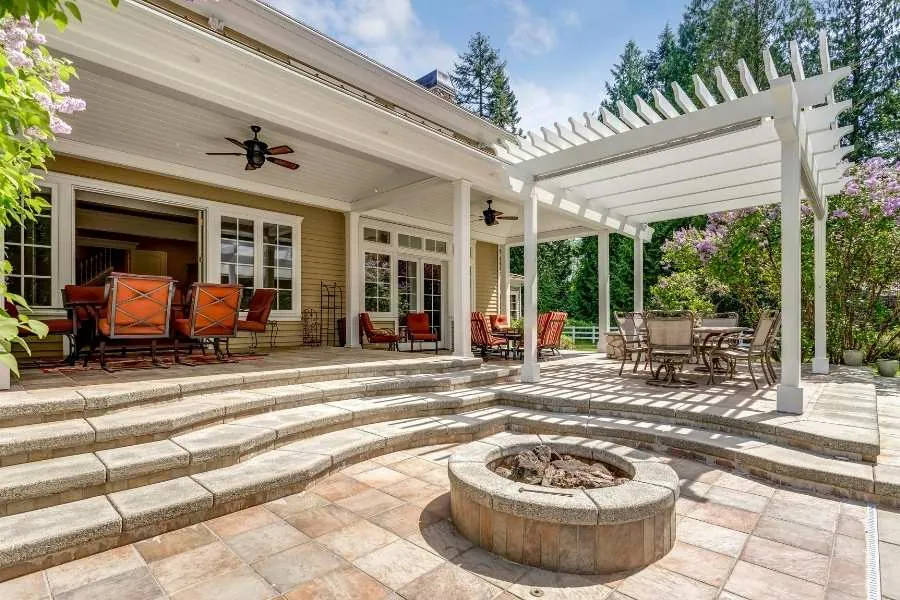
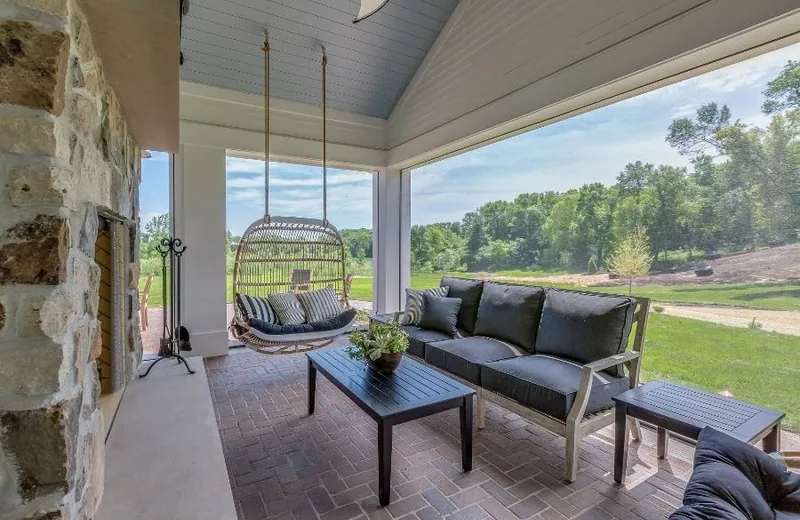
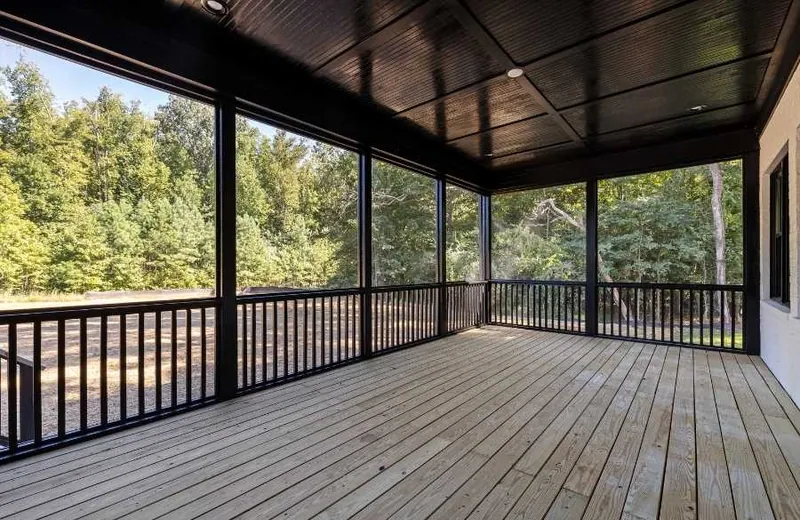
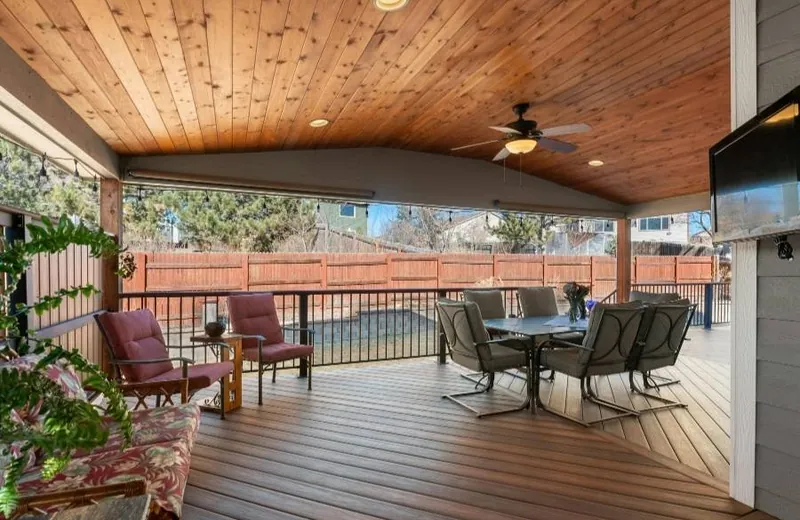
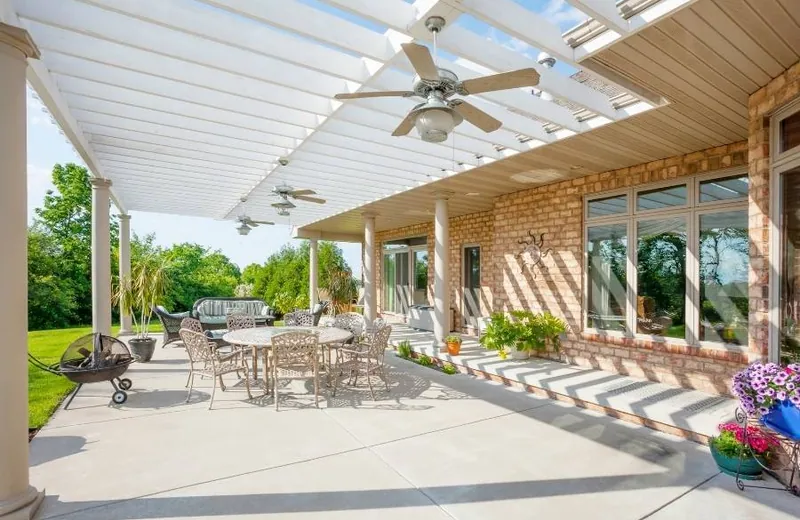
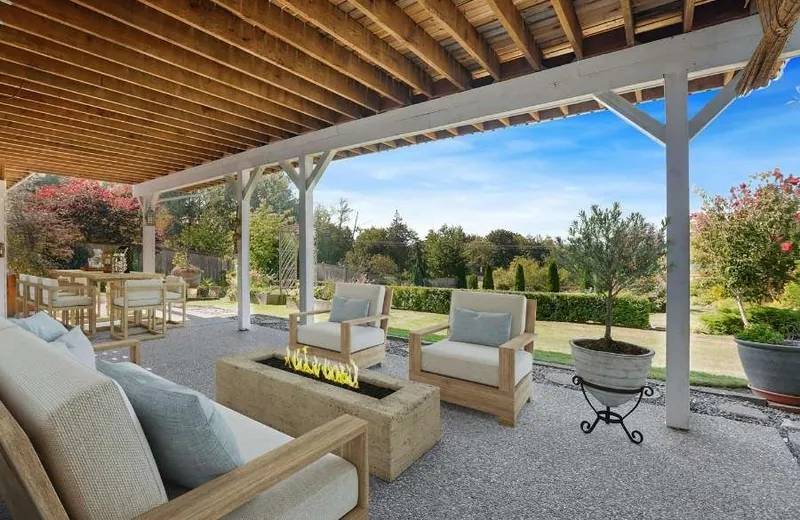
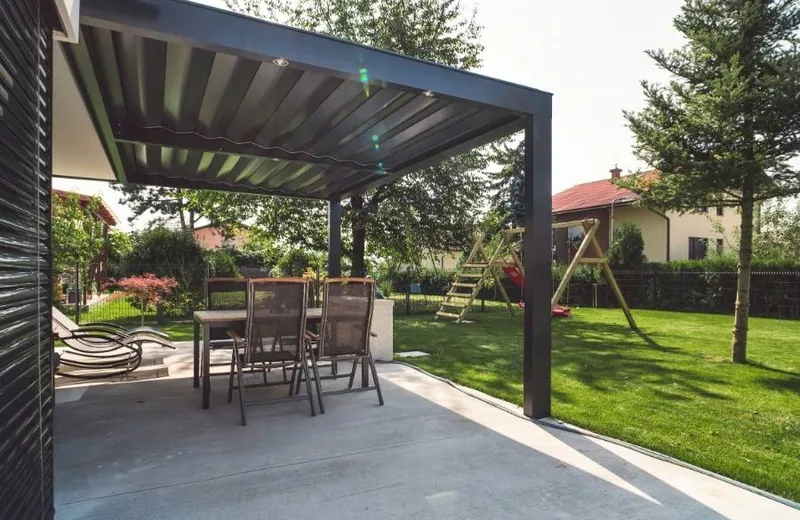
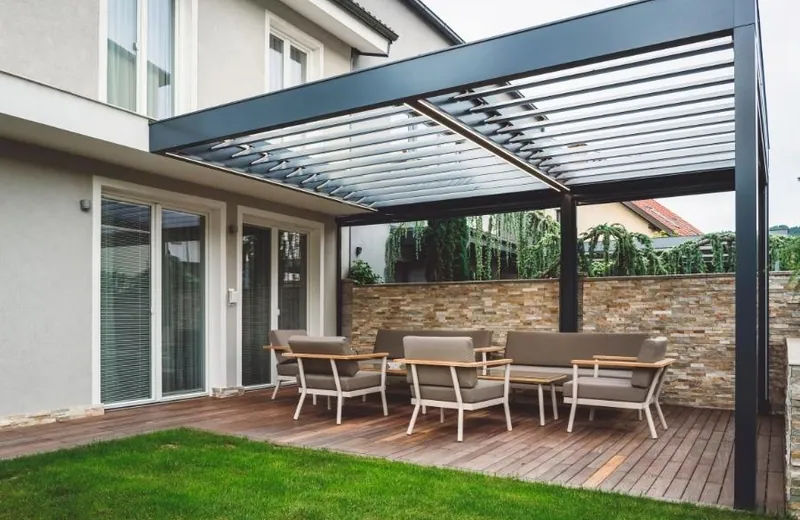
Recent deck Projects in Leander, TX
Deck Building FAQs for Leander Homeowners
How much does it cost to build a deck in Leander?
Most Leander decks fall somewhere between about $8,500 for a simple ground-level pressure-treated deck and $50,000 for a raised composite deck with a pergola. Tall multi-level lake-view decks can run well past $100,000. The biggest swing factors are material, height, and what's under your yard. Limestone on the west side may need rock drilling, while clay on the east side needs deeper piers. Adding shade, tearing out an old deck, and upgrading railings also affect the price. We give you itemized pricing after an on-site visit, so you'll know exactly where the money goes.
Do I need a permit to build a deck in Leander?
Usually, yes. The City of Leander requires permits for most new decks and structural replacements, especially decks attached to the house, decks more than 30 inches above grade, and covered structures or pergolas. Cedar Park, Round Rock, Georgetown, Pflugerville, Lakeway, Lago Vista and Jonestown have similar rules. Expect plan review plus footing, framing and final inspections. Unincorporated areas like Brushy Creek, Serenada and Hudson Bend may have fewer city requirements, but MUD, HOA and county floodplain rules still apply. We handle the permit process for you.
How long does a deck project take from start to finish?
Plan on roughly 4 to 10 weeks overall for most projects. Design and pricing take about one to two weeks. HOA approval and permits usually take another two to six weeks, depending on your neighborhood's ARC schedule and city review times. Actual construction for a typical deck runs about one to three weeks. Elevated, multi-level or lake-area decks on rock take longer. Summer heat and spring storms can shift a few days here and there, and we'll keep you posted.
Will you handle my HOA approval?
Yes. We prepare the architectural review submittal for you, including drawings, dimensions, materials and colors. Most Leander subdivisions, including Crystal Falls, Travisso, Mason Hills and Bryson, require ARC approval before any construction starts. Committees often look at height, visibility from the street, and material or color choices. Getting the package complete the first time is the best way to avoid back-and-forth delays. If the committee asks for changes, we'll revise and resubmit.
Is composite or wood better for Leander's climate?
It depends on your priorities. Capped composite and PVC handle Leander's intense UV and wet-dry swings with very little maintenance. No sanding, no staining, and no checking. The tradeoff is higher upfront cost and heat, since darker colors can get uncomfortably hot in direct sun, so we recommend lighter or heat-mitigating lines. Wood costs less up front and looks natural, but in our sun, pressure-treated pine and cedar usually need cleaning and resealing every two to three years to prevent graying and rot.
When should I repair my deck versus replace it?
Act right away if the deck is pulling away from the house, bouncing, or has loose railings. Those are safety issues. If the framing is solid and only some boards or rails are worn, repair or resurfacing makes sense and saves money. If probing turns up rot or termite damage across several joists, the ledger was never flashed, or the footings are heaving, replacement is usually smarter. That's common with 20–40-year-old decks in Cedar Park, Wells Branch and Brushy Creek. We'll show you what we find and price both options.
How can I make my deck last longer in Central Texas?
Start with good construction: proper footings for your soil, flashed ledgers, ground-contact lumber, joist tape and good airflow underneath. After that, clean your deck every spring to remove pollen and mildew. Reseal wood decks every two to three years with a UV-resistant penetrating finish. Keep soil, mulch and leaves away from posts to discourage termites. Check railings after hard freezes and footings after big flash-flood rains. Adding a pergola or cover also cuts UV exposure, which protects both the surface and you.
Can you help with storm or hail damage to my deck?
Yes. After hail, freezes or flash flooding, we inspect the deck for both visible and hidden damage, including dented cover roofing, cracked PVC components, lifted boards and washed-out footings. We secure anything unsafe, then document the damage with photos and written notes you can share with your insurance company. Once the scope is set, we repair or replace the affected framing, decking, railings or covers. Call soon after a storm, since washed-out footings get worse with every rain.
Serving Leander, TX & Nearby
Get Your Leander Deck Project Started
Whether you're expanding a tiny builder slab, taming a sloped yard or replacing a deck that's seen better days, the first step is a site visit and a clear, honest plan.
- ✓In-person site visit to assess soil, slope, sun and easements
- ✓Design matched to your lot, your style and how you entertain
- ✓Itemized written pricing with no hidden surprises
- ✓HOA architectural review submittal and permit handling
- ✓Bonded and insured crews building to current code
- ✓Shade and heat planning so you can use your deck all summer
- ✓Financing available on qualifying projects
⚡ Deck pulling away from the house, wobbly railings or storm damage? Stay off the deck and call us so we can assess it quickly.
Bonded • Insured